

製品
Proof of concept alone won’t win grants anymore. See why funding large-scale scRNA-seq research now demands infrastructure, data governance, and AI-ready datasets.
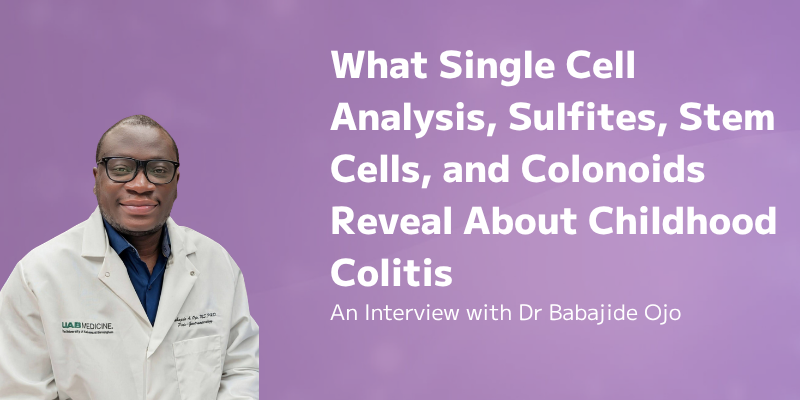
Dr. Babajide Ojo shares his work using organoids and single cell to improve disease management of ulcerative colitis.
Single cell RNA sequencing of FFPE samples is transforming decades of preserved specimens into actionable datasets, giving researchers unprecedented access to diverse disease stages, rare pathologies, longitudinal cohorts, and real-world clinical heterogeneity.
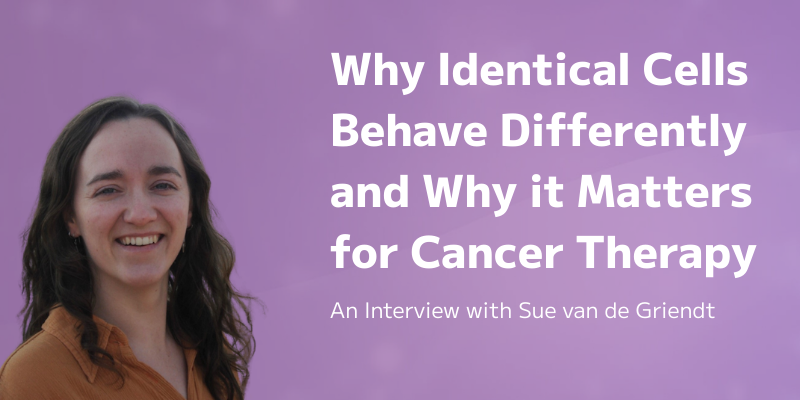
Sue van de Griendt from the Hansen Lab at Radboud University discusses her lab’s single cell techniques, cell-free biochemistry and computational modeling to predict cell function and response to therapies.
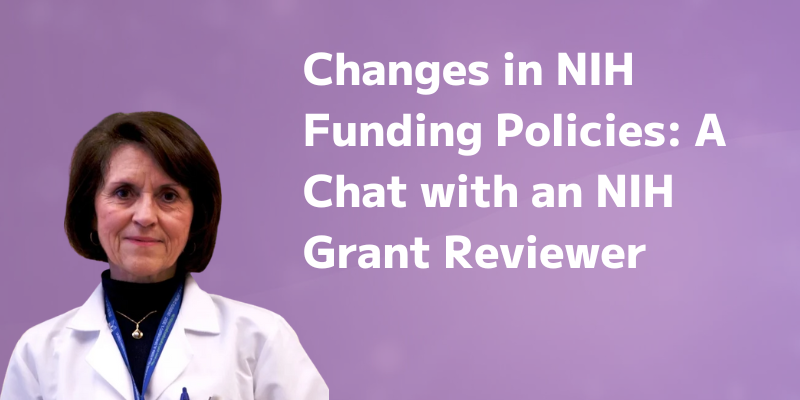
NIH grant reviewer Dr. Manuela Martins-Green shares clear, practical advice on how researchers can strengthen their proposals by focusing on true significance, innovation, and rigor.
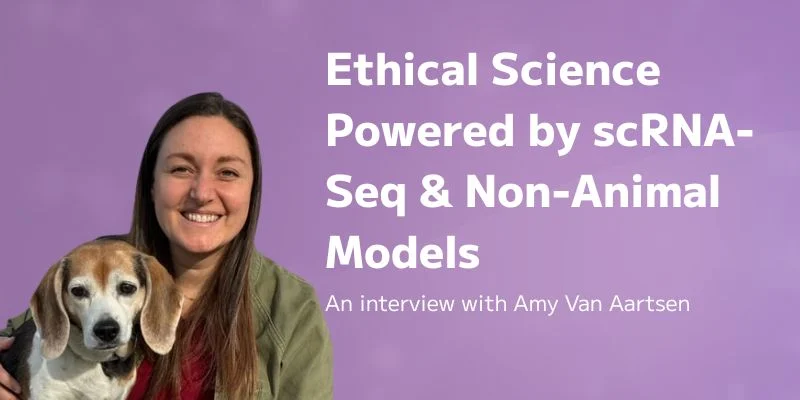
Researcher Amy Van Aartsen shares how Evercode™ scRNA-seq has propelled her research and highlights her work with The Marty Project.
The FDA’s move to phase out animal testing marks a pivotal shift in drug development, opening the door for human-based models like organoids and organ-on-a-chip systems to drive safer, more precise, and patient-relevant discoveries.

By combining Genome-wide association studies (GWAS) with gene expression and single cell sequencing, researchers can connect genetic variation to molecular mechanisms, uncovering how specific cell types drive disease risk.

Trailmaker is a flexible, user-friendly tool that supports a wide range of single cell RNA sequencing analysis workflows, whether you’re starting from scratch or integrating with existing pipelines.
With Trailmaker, both wet-lab scientists and bioinformaticians are empowered to streamline their single cell analysis from data upload to visualization through an intuitive, collaborative platform.